| |
|
|
|
|
| Understanding the type of fire will assist in correct selection of Extinguishing Agent. |
| CLASS A |
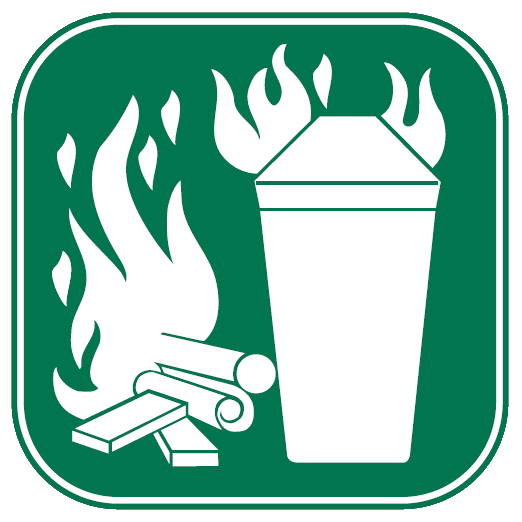 |
Class A fire is the most common type of fire, involving ordinary combustibles found in everyday environments like homes and public spaces (furniture, books, curtains, and wooden structures). The materials are primarily composed of carbon-based substances that burn and produce ash, smoke, and heat in a fire. |
| • |
Fuels are wood, paper, textiles, rubber, & some plastics. |
| • |
These fires often smoulder before fully igniting and can spread rapidly. |
| • |
Water-based extinguishing is effective because they cool the material. |
| CLASS B |
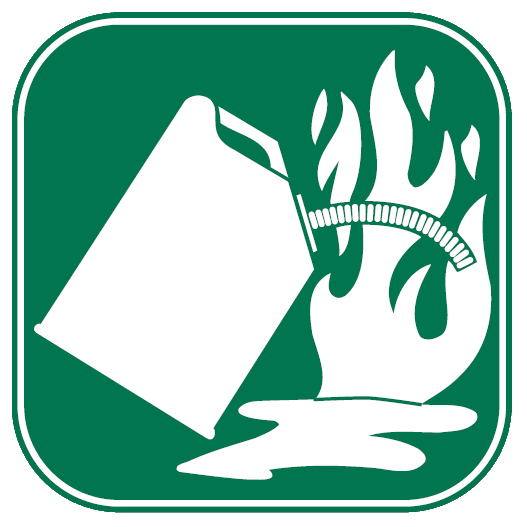 |
Class B fires involve flammable liquids, and gases, such as gasoline, diesel, oils, alcohol, solvents, propane, and butane. Class B fires are fuelled by liquid or gaseous substances that can ignite at relatively low temperatures and spread quickly. These fires generate intense heat and can escalate rapidly. |
| • |
Flammable liquids and gases can spread quickly. |
| • |
Intense heat can ignite nearby materials or cause secondary fires. |
| • |
Class B fuels have low flash points, making them prone to ignition from small sparks or heat sources. |
| • |
Water is generally ineffective and can worsen the fire by spreading the liquid fuel. |
| CLASS E |
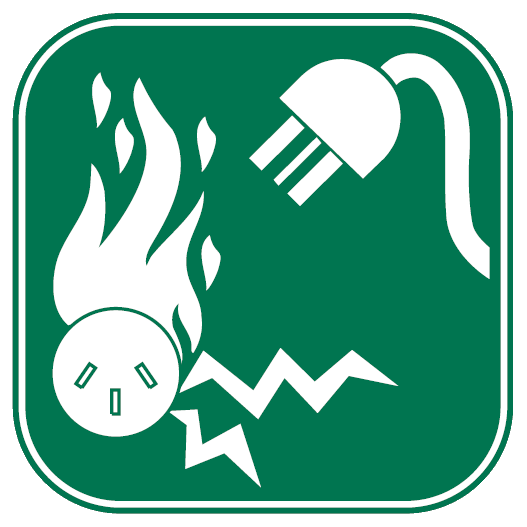 |
Class E fires involve electrical equipment such as switchboards, computers, or motors catch fire due to faults, malfunctions, or overheating. Electricity makes these fires dangerous as cannot be used, as it is conductive. Fire can spread rapidly through wiring and connected devices, releasing toxic smoke. |
| • |
Faulty wiring or circuit breakers that fail. |
| • |
Overloaded circuits or excessive use of electrical appliances. |
| • |
Aging or outdated electrical components in equipment. |
| • |
Dust accumulation in electrical panels or appliances. |
| CLASS F |
 |
Class F fires involve cooking oils or fats, such as palm, vegetable, sunflower, and olive oil, reach their flash point (around 315°C) or autoignition temperature (approx 340°C), allowing them to ignite without an external flame. These fires are extremely dangerous, spread rapidly and reaching high temperatures. |
| • |
Deep fat fryers are the most frequent source. |
| • |
Class F fires are hazardous as oils can explode or splatter if water is applied. |
| • |
The recommended method to extinguish is a wet chemical extinguishing agent. |
| CLASS L |
 |
Class L Fires involving lithium-ion cells and batteries, where no lithium metal is present. These fires are electrochemical fires that, by comparison to most class A, B, C, D, and F fires, have a greater energy density that can result in a faster growth rate when released. ISO 3941 No Australian Std yet |
| • |
ISO 3941 – provides safety information for these fires, which must be considered for the risk assessment. |
| • |
This is the first formal step toward a assessment of the lithium-ion fire hazard. |
| • |
Highlighting that standards need to evolve deal with specific to lithium-ion battery fires. |
| • |
Developement of new standards very difficult due to the speed of chnage in the chemistry of these batteries. |

